
Our Alumni
At ARENA, we develop great relationships with those who join us for our in-person programmes. After their time with us, we continue to provide them with support.
ARENA 8.0 Alumni
-
![]()
Frederik Jørgensen
ARENA 8.0 Participant (see Frederik’s website)
Before ARENA, I was a PhD student mostly working on topics related to causality (a subfield of statistics). I wanted to contribute to empirical AI safety, but felt I lacked core ML engineering skills. ARENA gave me the confidence and hands-on familiarity with ML engineering needed to do empirical AI safety research. The teachers were unusually friendly and competent – I never felt embarrassed to ask a question. Beyond the learning itself, being based at LISA (London Initiative for Safe AI) and meeting researchers who are deeply passionate about making AI go well is among the most inspiring things I've experienced. In the final week, we worked in groups on self-selected projects; my group looked into backdoor detection, which we're now exploring further. I've received a postdoc grant (Carlsberg Foundation) that puts me at Stanford for the next two years, where I'll likely use the skills from ARENA to explore approaches to scalable oversight and control that combine theory and empirics.
-
![]()
AJ Weeks
ARENA 8.0 Participant (see AJ’s website and LinkedIn)
After spending two and a half years learning about AI safety in my spare time, I quit my job as a game developer a month prior to participating in ARENA to focus full time on AI safety. While I came to the programme with strong programming abilities, my confidence in Python and PyTorch was significantly strengthened by the end of the five weeks, across the entire spectrum of LLM training, alignment science, and model evaluation. Additionally, beyond forming strong connections with several others in a similar position to me, my participation in ARENA significantly improved my prospects for securing a role in AI safety and helped me build my intuitions of the kinds of role I am most interested in pursuing. I now have a BlueDot career transition grant for the coming five months and plan to use that time to continue developing my technical abilities in order to secure a first role in the industry, while simultaneously continuing to grow the Stockholm AI safety community.
-
![]()
Kristin Witte
ARENA 8.0 Participant (see Kristin’s website and LinkedIn)
With a background in psychology and neuroscience and no formal training in computer science whatsoever, I always felt like I was struggling to keep up when engaging with technical AI Safety work. During the ARENA program I was able to focus 5 dedicated weeks on filling in all the gaps in my knowledge I never had the opportunity to fill. I was able to ask all the questions I didn’t dare to ask before in a space with no judgement. Now, I feel confident in my abilities to take on whatever Technical AI Safety project that feels exciting to me. In a first step, I am about to join a Healthcare AI Evaluation startup for a 6-month contractor position after which I will likely finish up my PhD and look for permanent positions in AI safety.
-
![]()
Kanad Chakrabarti
ARENA 8.0 Participant (see Kanad’s LinkedIn)
I came to AI Safety fairly late in a weird career arc (via derivatives and art school!), and did ARENA after a few years in more conceptual programmes/reading groups. I’m currently in a PhD, thinking about ASI and issues in longtermism, and ARENA has been useful in grounding intuitions about future AI systems in the reality of current systems. It has also given me basic skills to make evals, use/set up infrastructure, and get up to speed on RL which was comparatively less accessible in the LLM-dominated paradigm (pre-o1). It let me hit the ground running with research sprints like MARS, and is proving useful in my PhD research (particularly the capstone week project).
-
![]()
Qi Guo
ARENA 8.0 Participant (see Qi’s LinkedIn)
Coming from a STEM background, I pivoted into the field by doing evaluations with the Inspect framework. It took me a few attempts to finally get into ARENA, and by then I'd already gained some fellowship experience. What makes ARENA special is its intensity and format, which helped me fill the gaps in my understanding of the core concepts. The pair programming was especially enjoyable and a great way to get to know peers in the cohort. LISA, too, is a somewhat magical place to meet people and hear great talks. After ARENA, I'm continuing my journey as a Research Engineer at the Cooperative AI Foundation, and I'm sure what I learned from the materials will help open some unexpected doors down the line.
-
![]()
Theresa Geber
ARENA 8.0 Participant (see Theresa’s LinkedIn here)
Before ARENA, I mainly encountered AI safety through the enterprise lens of security, privacy, and governance in my work at SAP. I applied to ARENA because, while researching enterprise AI, I kept returning to deeper questions about whether we can trust models’ reasoning and maintain meaningful human control as AI systems become more capable. Actually implementing concepts at ARENA instead of only reading about them made the research feel much more concrete and helped me see how the different questions in the field connect. The support from the TAs and the chance to talk with people who were also so genuinely passionate about AI safety were some of the most fun things about the program and it helped me realize that I want to pursue AI safety as a career rather than just thinking about it on the side. I am now especially interested in AI control and working on safety/alignment of multi-agent systems.
-
![]()
Simon Schrader
ARENA 8.0 Participant (see Simon’s LinkedIn here)
I started pivoting towards technical AI safety while I was wrapping up my PhD in theoretical chemistry, where I worked on numerical methods for quantum dynamics. Before ARENA, I did a SPAR project on SAE feature interpretability and ML4Good. My motivation to participate in ARENA was to get a better overview over the field, get hands-on experience with the right tools, and also get a better idea what type of research I would be most interested in doing. My expectations have been surpassed. While intense and at times demanding, I had a great time doing ARENA, and I learned a lot of relevant skills thanks to excellent TAs and a well-tested curriculum, connected with people that I am now collaborating with, and had interesting conversations about AI safety. Being at LISA was a big plus, allowing me to learn about a variety of possible future opportunities and have conversations with people who are working on various projects in AI safety during lunch and dinner. I am currently wrapping up two projects that started during ARENA (a hackathon project on diffusion language models, and my project week project on white-box backdoor discovery), exploring a potential collaboration with someone I met at LISA, and I will participate in the Iliad Intensive in Berkeley next month.
-
![]()
Laurence Wroe
ARENA 8.0 Participant (see Laurence’s website and LinkedIn)
I have a PhD in accelerator physics and, before ARENA 8.0, had just finished a three-year post-doc at CERN designing small (room-sized) particle accelerators for industrial, medical, and research applications. I think AI safety is the most interesting and impactful field to be working on, so I applied to ARENA to build my foundational understanding and fast-track my contribution.
I gained a lot from the technical side of ARENA and especially enjoyed applying this learning in the Capstone Project week, where I worked in a team of three to investigate the effect of prompt variation on alignment evals. Just as valuable was meeting and talking to people, both at ARENA and at LISA – I've really expanded my network of people in the field. I am actively applying to fellowships, research roles, and career transition opportunities into AI safety.
-
![]()
Siva Kumar Lakkoju
ARENA 8.0 Participant (see Siva’s LinkedIn here)
I have a background in NLP from my work as a data scientist at a US bank, where I spent three years building topic models on complaints data. My prior AI safety work had been almost entirely in mechanistic interpretability, through SPAR, so I applied to ARENA to get hands-on exposure to other technical areas; I especially wanted to learn more about evals and RL in the safety context. Apart from ARENA speeding up my learning, what added the most to my experience was the community at LISA: the coworking, the conversations over lunch, and being surrounded by people who take this work seriously made the whole thing far richer than the curriculum alone. Beyond the technical skills, ARENA gave me the confidence to lead an ARENA-equivalent programme in India, which I’m now planning. Alongside that, I’m actively looking for PhD opportunities in AI safety.
-
![]()
Anastasia Wei
ARENA 8.0 Participant (see Anastasia’s LinkedIn and website)
I had been following AI safety from the sidelines for a few years, but it wasn’t until my first year of an Astrophysics PhD that I realized the urgency of the problem and felt compelled to pivot my career to make a direct impact. I knew what I wanted to do, but I felt bottlenecked by my machine learning engineering skills. After struggling to make progress through the ARENA curriculum solo, attending the in-person program proved to be exactly what I needed. Pair programming allowed me to get through the material much faster, and additional events like the weekend hackathon and capstone project were great for applying the concepts I'd learned to hands-on projects. Because my AI safety background was mainly focused on interpretability, I found the RL and evals chapters particularly helpful in rounding out my ML knowledge. Having the TAs and James there to help clarify concepts was immensely valuable for getting me unstuck. Now, equipped with the technical knowledge from ARENA, I'm much more confident in my ability to carry out the technical aspects of my research projects. I'm currently doing a fellowship at Second Look Research and I look forward to building my career in technical AI safety.
-
![]()
Tatiana Gaintseva
ARENA 8.0 Participant (see Tatiana’s LinkedIn and website)
My background is in applied mathematics and machine learning, and I am now finishing a PhD focused on AI interpretability. I was drawn to interpretability because I love understanding how complex systems work, and AI safety felt like a natural area where this kind of research could have a meaningful impact. I applied to ARENA as an entry point into the field, hoping to learn more about AI safety research and meet people in the community. The programme fully lived up to my expectations: it gave me a much broader view of the field, strengthened my technical knowledge and research instincts, and made me more confident about how I can contribute through my existing skills and experience. I am now finishing my PhD, looking for research opportunities in AI safety, and working on a project about narrow fine-tuning that grew out of a discussion during ARENA.
-
![]()
Tobias Bersia
ARENA 8.0 Participant (see Tobias’ LinkedIn and website)
I'm a Master's student in Computer Science and an organiser at BAISH (Buenos Aires AI Safety Hub), where I'd been working on AI safety for two years before ARENA. I applied with the idea of strengthening my technical skills so that I could contribute to the field as soon as possible. The curriculum was very enjoyable and allowed me to do exactly that (with my favourite weeks being Mech Interp and RL). But thanks to ARENA, I’ve not only achieved my original goal but also made many meaningful connections and even wrote my first paper two weeks after coming back (as a continuation of my capstone project). The talks at LISA had a big influence on how I think about splitting my time between field-building and research. I’m currently organising and facilitating several in-person cohorts of AI Safety courses by BlueDot and drafting a proposal to make an ARENA-like program in Buenos Aires.
-
![]()
Lucas Florin
ARENA 8.0 Participant (see Lucas’ LinkedIn and website)
I have a background in ML and software engineering. A few months before doing ARENA, I started my PhD at a small group focused on AI Safety (Thilo Hagendorff's group). The group has a strong focus on evals and black-box methods. ARENA taught me the engineering details of how to implement my experiments more effectively, such as using the Inspect AI library. Other areas of AI safety, specially mechanistic interpretability, seemed a mystery to me before doing the course. Now, I feel that I have a solid grasp of the methodologies and an intuition for the mechanisms. This has given me the confidence to use the tools of mechanistic interpretability in future research. Participating at ARENA is like being at an intense, immersive 5-week conference. You really get to know your fellow participants, who are all very capable and also really motivated to contribute to AI safety. It's an amazing network to have. Also, being at LISA you are constantly meeting fascinating people from all over the field. The best part: you don't even need to pester them, they just spontaneously sit down beside you during lunch! If it is at all possible, I strongly recommend having as few outside distractions as possible during the course to really take advantage of this. After returning to my PhD I am working on an evals project about how honest LLMs are about their own mistakes.

ARENA 7.0 Alumni
-
![]()
Dani Balcells
ARENA 7.0 Participant (see Dani’s LinkedIn, GitHub, and website)
I have a background in ML and signal processing, and after many years doing non-technical business work in the music industry, I spent the last two years pivoting back towards technical ML work, with ARENA serving as a culmination of that transition. I was advised by many people that the pivot would be too hard and competitive, but I found technical AI safety both socially meaningful and intellectually stimulating, which gave me the motivation to keep going. Beyond the highly enjoyable in-depth curriculum, the capstone project offered a taste of what working on open-ended research problems is like, which gave me a lot more confidence in my ability to do real research. The talks and informal conversations at LISA also challenged some assumptions I'd arrived with about AI safety, and broadened my sense of what impactful work can look like. ARENA gave me both the credibility and the clarity to pursue technical AI safety roles seriously, and I'm hoping to turn that into a full-time position soon.
-
![]()
Tyler Crosse
ARENA 7.0 Participant (see Tyler’s LinkedIn, GitHub and website)
I came to ARENA from a software engineering background (mostly web applications) and began shifting toward ML through an MS in CS. I applied because I wanted a faster path to strong fundamentals in mechanistic interpretability and research engineering, plus the tight feedback loop you get from building alongside other highly-motivated researchers. The most valuable parts were the structured exercises, the emphasis on “understand it by implementing it,” and the cohort environment. There is lots of rapid iteration, debugging, and idea exchange. Participating in the programme was so fun! ARENA helped me build confidence in my ability to read papers, translate concepts into working code, communicate results clearly, and it has also expanded my network in the interpretability/alignment space. Post-ARENA, I’m continuing to deepen my interpretability work through research projects and coursework, with the goal of moving into a research engineering/ML research role focused on mechanistic interpretability and AI safety.
-
![]()
Kat Dearstyne
ARENA 7.0 Participant (see Kat’s LinkedIn and website)
As a Ph.D. student in Computer Science, I realized that the most critical problems facing my field today are in making AI systems safe and aligned, and I wanted to direct my research toward addressing them. Coming from a different line of research, I wasn't sure how to make that transition, but ARENA provided a clear pathway. While the curriculum and learning materials were incredibly valuable, the biggest impact came from the connections I made at LISA, the collaborations that formed, and the conversations that followed. I'm leaving with both the confidence to pursue research in this space and a renewed sense of inspiration to tackle these challenges. Currently, I'm wrapping up my dissertation while applying to research positions in the field. Because of ARENA, I feel much better positioned to find a role that I am genuinely passionate about.
-
![]()
Alexander Reinthal
ARENA 7.0 Participant (see Alex’s LinkedIn, GitHub and website)
After ARENA, I have a firm grasp on my knowledge gaps and how to fill them, and on how to quickly go from research idea to testing. Most importantly, I have direction in my research. What I enjoyed most was the people: the participants, the ARENA staff, and the other AI safety people at LISA. Listening to how everyone thinks about research was deeply inspiring.
This programme has given me strong confidence in my ability to contribute to AI safety research, a clear sense of direction, and a community of friends I can talk to about research. I'm now actively pursuing the transition: I've applied for a career transition grant through Coefficient Giving, I'm receiving mentored guidance through Successif, and I'm applying to positions in AI safety.
-
![]()
Giuseppe Birardi
ARENA 7.0 Participant (see Giuseppe’s LessWrong profile here)
I’m a tech CTO with a background in cultural anthropology, and I’m pivoting into alignment science with a bias toward mechanistic interpretability. I applied to ARENA to stop engaging with AI safety at a distance and instead learn inside the community, in person, at full pace. The content was dense and hands-on, but what made it work was the people: TAs and peers who were generous with feedback, blunt in the useful way, and serious about turning ideas into experiments. That environment made the field feel real and livable, and it left me with stronger technical foundations and a clearer research direction. I’m currently CTO at Orma Lab and also doing independent research, building interpretability tooling and writing about alignment and model organisms.
-
![]()
Ahmed Ghoor
ARENA 7.0 Participant (see Ahmed’s LinkedIn here)
Having a technical background but spending most of my time setting up projects to address infrastructure gaps in the broader social impact space, I came to ARENA for two reasons: To better understand and address bottlenecks around AI risk mitigation and to upskill myself to contribute directly to alignment research. ARENA, while intense, has been a great space for rapid technical upskilling, making many meaningful connections, and improving my world model for mitigating AI risks. I am currently back in Australia, where I have taken up a teaching assistant role for the Technical Alignment Research Accelerator, am setting up the Queensland AI Safety Initiative, and pursuing research on adversarial robustness of AI systems for cyber defence at the University of Queensland.
-
![]()
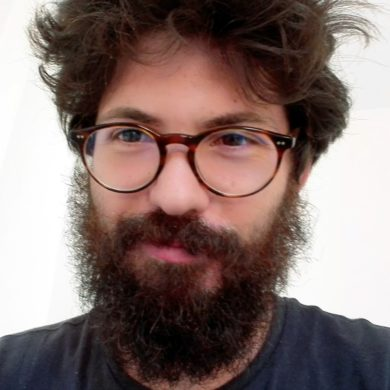
Johannes Taraz
ARENA 7.0 Participant (see Johannes’ GitHub here)
My background is in physics and applied mathematics. In the final year of my master's, I discovered AI safety through a local student group, then did the ML4Good bootcamp to test my fit/enthusiasm/commitment (it worked). ARENA's hands-on work (implementing probes, RL, building evals, and especially the capstone project) was invaluable, and I believe it directly contributed to landing an AI safety PhD position in Sahar Abdelnabi's group (I talked a lot about the capstone project in my interview). Until the PhD starts, I'm facilitating technical AI safety courses at BlueDot and doing a SPAR project on emergent misalignment.
-
![]()
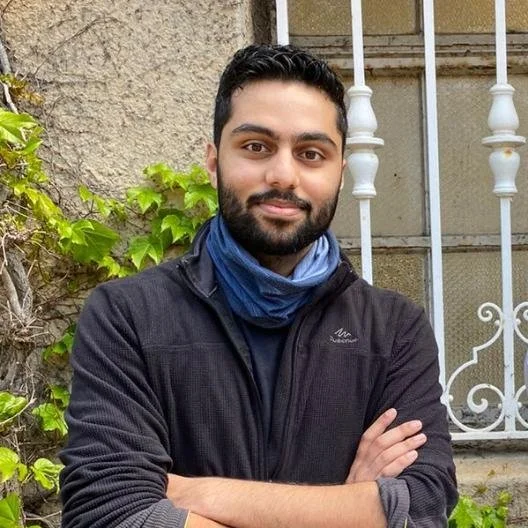
Davide Baldelli
ARENA 7.0 Participant (see Davide’s LinkedIn here)
Coming from a background in AI and mathematics, I joined ARENA during the first year of my PhD at Mila to deepen my general understanding of LLM internals and alignment techniques. The program was an incredible opportunity to get hands-on experience with the engineering realities of safety research, but the highlight was undoubtedly the stimulating environment; collaborating with peers in London and debating ideas over lunch was invaluable. I made many new friends, gained the confidence to tackle more ambitious technical problems and directly informed my current research direction. I am now continuing my PhD work on language-model-based agents, specifically focusing on private working memory and the faithfulness of self-explanations.
-
![]()
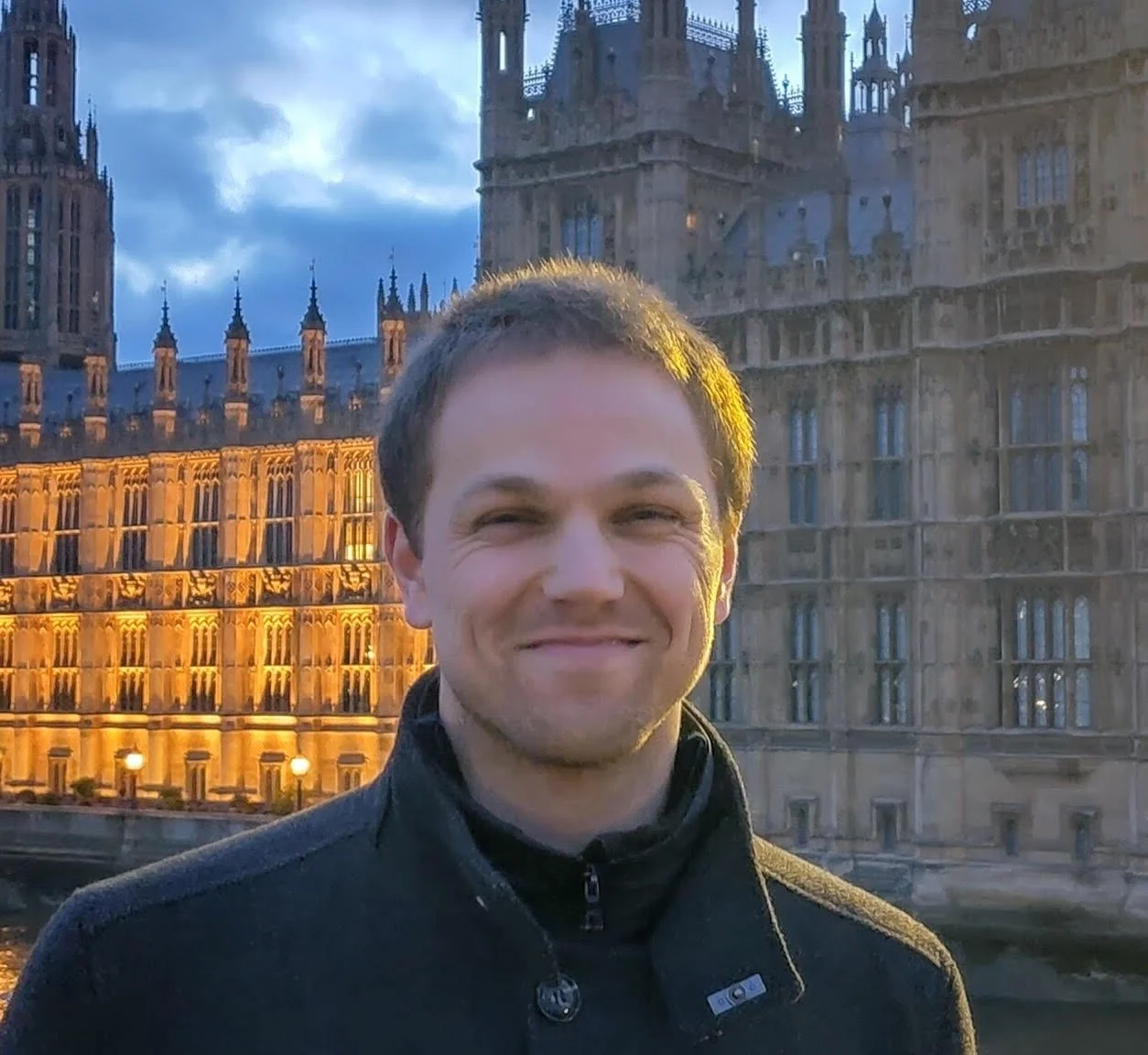
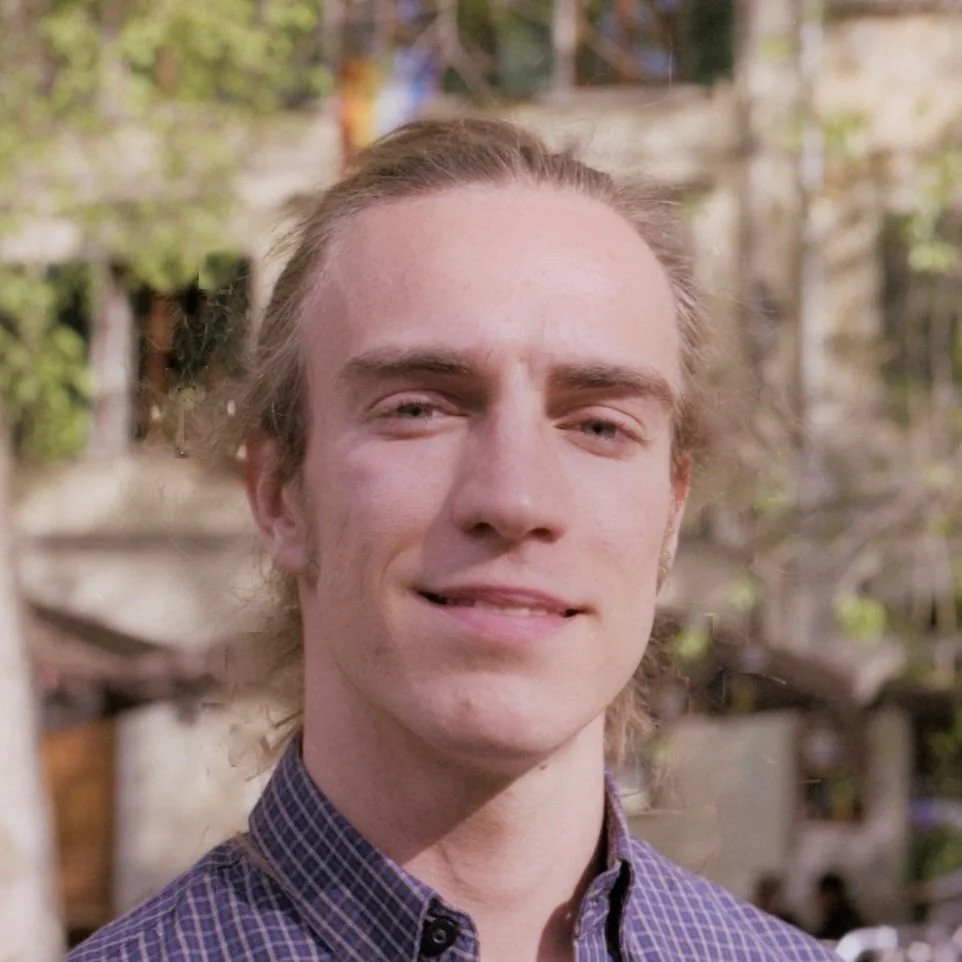
Ilya Shirokov
ARENA 7.0 Participant
Before ARENA, I was doing independent research on understanding toy transformer models (trained on self-avoiding walks on a grid); how a model can use extra compute on tokens unrelated to the task to improve performance, and information flow methods for testing faithfulness (SPAR project with Noah Siegel). I was also finishing my PhD in geometry and topology in Saint Petersburg. I applied to ARENA to strengthen my technical skills, meet great researchers, ask them questions I am interested in, find job opportunities and more. The part I enjoyed most turned out to be evaluations: I liked observing how models behave under different conditions, and carefully adjusting setups to isolate the behaviour I wanted to study. ARENA gave me a great big-picture view – grounded in concrete details – of how the AI safety field works in practice, what matters most right now and how I can successfully re-approach fundamental questions that I asked before without success. More than that, I am now in contact with great researchers with whom I can discuss my ideas!
ARENA 6.0 Alumni
-
![A young man with light brown hair, glasses, and a white patterned shirt smiles outdoors in a forested area.]()
Hugo Save
ARENA 6.0 Participant (see Hugo’s LinkedIn here)
Coming from a background in software development and mathematics with an interest in AI Safety, I applied to ARENA to gain hands-on experience with the skills necessary for technical AI Safety work. What I loved most about the programme was the exceptionally dedicated learning environment it provided, from the LISA office space and provided meals to the stimulating discussions with peers and other AI Safety researchers in the co-working space. ARENA significantly boosted my confidence in presenting existing research and developing ideas at the forefront of AI Safety research. I'm now doing an internship as a Quantitative AI Safety Researcher on AI evaluations at the Existential Risk Observatory, where I'm applying the skills learned from ARENA's evaluation week.
-
![A young man with short curly hair, beard, and mustache standing outdoors in front of a historic brick building and greenery. He is wearing a striped shirt, with sunglasses hanging from the collar.]()
Mo Baker
ARENA 6.0 Participant (see Mo’s LinkedIn here)
I was a founding software engineer of a tech startup for 3 years. After rapid gains in AI capabilities, I was concerned about their safety and pivoted full-time to AI research, starting by pursuing a master's in AI. I applied to ARENA because it was the perfect way to gain a comprehensive overview and hands-on skills needed for doing safety research. I am glad that I got to attend the programme in person and loved every aspect of it – from meeting the fellow participants and the vibrant LISA community to the comprehensiveness of the material, to making it more manageable and engaging by pairing up with fellow participants and getting continuous assistance from the TAs. After ARENA, I feel more confident and connected than ever and feel ready to make impactful research and contributions. I am currently working as an independent researcher, funded by Open Philanthropy, to advance our understanding of sleeper agents and backdoored LLMs.
-
![A smiling woman with long black hair outdoors during daytime, with mountains and a partly cloudy sky in the background.]()
Lenz Dagohoy
ARENA 6.0 Participant (see Lenz’s LinkedIn here)
I finished my undergrad degree in humanities right before ARENA, although I was already involved in AI safety field-building as an operations contractor. I applied to ARENA 6.0 since in the months prior, I started to transition towards value alignment research, but realised I lack a lot of technical training aside from just knowing how to code because of Leetcode. I would definitely say participating in the full live cohort helped me level up my programming skills and connect with a deeply curious community who helped me solidify a theory of change for myself. Since the programme, I've been doing independent consulting for AI policy organisations while applying to other AI safety fellowships with the intention of exploring interpretability-based evals.
-
![Black and white portrait of a young man smiling, wearing a casual button-up shirt with rolled-up sleeves, standing against a plain background.]()
Nitzan Shulman
ARENA 6.0 Participant (see Nitzan’s LinkedIn here)
Before ARENA, I worked in cybersecurity (reverse engineering and system security). I joined ARENA to pivot into AI safety and apply those skills where they can have the most impact. I loved the high-quality content, the pace, and the excellent staff. ARENA gave me clarity, confidence, and a network that translated into concrete opportunities. Today I’m Head of Cyber at Heron Security, helping bridge cyber talent to AI security while deepening my foundation in advanced AI systems and pursuing my own research using skills I learned in the programme.
-
![A young man with curly, light brown hair and a slight beard, smiling, wearing a black t-shirt, standing against a plain, neutral background.]()
Alexander Panfilov
ARENA 6.0 Participant (see Alexander’s Google Scholar page here)
I joined ARENA as a second-year PhD student working on LLM jailbreaks and red-teaming. What I loved most about the programme was its strong focus on interpretability and the deep intuition it builds around LLM internals. Working from LISA was an amazing experience: being surrounded by like-minded people, learning from others’ projects, and sharing ideas over lunch. I built lasting connections with Anthropic/MATS fellows working from there, and I’m excited to collaborate with them. I’m now back to my PhD, with newly adjusted focus on white-box mitigation techniques for alignment.
-
![Portrait of a young man with dark curly hair, wearing a colorful scarf and denim jacket, standing in front of a green tiled wall.]()
Luca Baroni
ARENA 6.0 Participant (see Luca’s GitHub here)
Coming from a (PhD) research background in computational neuroscience, participating in ARENA was a fantastic opportunity to deepen my understanding of the technical AI safety landscape while gaining hands-on experience implementing and experimenting with different approaches. Having first become interested in AI safety while living far from the main hubs, being physically present at LISA made me feel genuinely connected to the field and its community: I built valuable connections with peers and engaged in conversations with more experienced researchers. After ARENA I feel more confident in my AI safety research skills and have greater clarity about my next steps.
-
![Young woman with light skin, shoulder-length wavy hair, smiling, wearing a sleeveless beige top and a butterfly necklace, against a plain white background.]()
Sam Tetef
ARENA 6.0 Participant (see Sam’s LinkedIn here)
Before ARENA, I completed my Ph.D. in physics in 2023; my graduate research was on machine learning and data science techniques in x-ray spectroscopy. After that, while applying to jobs and learning more about LLMs, I discovered AI safety and was immediately captivated. Since then, I have been upskilling in AI safety research. I applied to ARENA to learn the content in a collaborative and immersive setting, but the experience was more than I expected. Not only were the TAs phenomenal, but pair programming on the content with the other participants was by far my favorite part, making the content more fun and accessible than working through it alone. Additionally, both the mealtime lectures at LISA and conversations with others in the space were invaluable in helping me learn from and connect with the community. I’m currently participating in SPAR — my team is working on multi-signal AI control — but I am also looking for full-time research experiences. I am excited to see where I end up next!
ARENA 5.0 Alumni
-
![A young man with red hair and a beard smiling, wearing a black hoodie with a pig illustration and the words 'Friends Not Food' on it, standing in front of a neutral-colored wall.]()
Vili Kohonen
ARENA 5.0 Participant (see Vili’s LinkedIn here)
I'm an applied math PhD student at Aalto University researching high-performance computing. Nearing the end of my doctorate, I had started to focus more on AI safety. ARENA was perfectly timed for me, and I loved the support throughout the programme – it made the intensive learning experience both manageable and really enjoyable. The programme equipped me with the hands-on skills I was missing to contribute meaningfully to AI safety work. Now on top of finishing my PhD I'm running another bootcamp based on ARENA's materials, helping to get about fifteen people in my home country up to speed on technical safety.
-
![A young man with dark hair, wearing sunglasses and a dark shirt, stands in front of a brick wall decorated with colorful 3D square tiles in blue, green, and orange.]()
Matteo Migliarini
ARENA 5.0 Participant (see Matteo’s website here)
Before ARENA, I was diving deep into AI safety during my Ph.D., especially around mechanistic interpretability and machine unlearning. I joined the programme to get more hands-on experience and connect with others in the field, and it absolutely delivered! It was intense, challenging, and super fun. I learned a lot, but what stood out the most was the incredible community: the feedback, support, and curiosity from everyone made the experience truly special. I’m now back to research, feeling more confident and connected than ever.
-
![A young woman with long light brown hair and a blue bandana smiling in front of a decorative wall with eagle and bird relief sculptures.]()
Nadja Flechner
ARENA 5.0 Participant (see Nadja’s LinkedIn here)
I decided to do ARENA because I’ve been adjacent to the AIS field for a while (I work in forecasting x-risks), and felt that I needed a deeper technical understanding of the field. What I enjoyed most about ARENA was building and understanding GPT-2, seeing that intelligence is essentially just matrix multiplication. ARENA has given me a much better understanding of models, evals and their behaviour. My work in forecasting is going to benefit from this enormously, because I am now much more equipped to think critically about threat models involving AI.
-
![Portrait of a young man with dark hair, brown eyes, and a light beard, wearing a white collared shirt, standing outdoors with blurred green foliage in the background.]()
Anton Hawthorne
ARENA 5.0 Participant (see Anton’s LinkedIn here)
I have a background in Physics and Data Science, working with ML and AI, and the recent advances in capabilities worried me. I wanted to contribute to AI safety but I had only a high-level understanding of the different fields within AI safety, so I applied to ARENA in order to get hands on experience on a wide range of technical AI safety approaches. The curriculum is brilliant, and I'm so glad I was offered the opportunity to attend in person, having support from other students and teaching staff was invaluable for deeply understanding the content. Meeting other people who are passionate about AI safety helped me immensely in developing my thoughts, and in solidifying my motivation to pursue a career in this field.
-
![Black and white portrait of a young man with curly hair and a beard, wearing a dark sweater over a white shirt, smiling slightly against a plain background.]()
Jasper Timm
ARENA 5.0 Participant (see Jasper’s LinkedIn here)
I came to ARENA from a backend web-engineering background, eager to move beyond black-box API work into building, interpreting and fine-tuning language models with PyTorch and RLHF. I found the challenging curriculum and pair-programming setup invaluable, especially the week-long capstone research sprint that solidified my practical skills. ARENA boosted my confidence in running local experiments and testing bespoke models, and serves as a strong signal of ML expertise to prospective employers. Since graduating, I’ve co-authored a NeurIPS submission with FAR.AI collaborators and am now pursuing positions at leading AI safety research organisations.
-
![A young man with brown hair, glasses, and a slight smile outdoors with green foliage in the background.]()
Leon Lang
ARENA 5.0 Participant (see Leon’s website here)
I come from a theoretical background with research experience in multivariate information theory and the theory of reward learning. Now that I'm at the end of my PhD, ARENA was a great opportunity to complement my knowledge with engineering skills. I really enjoyed ARENA's structured approach to learning difficult materials, with 6 hours of concentrated pair-programming per day that guided us quickly through a range of topics, from implementing a transformer to PPO and evals with Inspect. I'm now much more confident that I can reproduce interesting papers if I want to, and I expect these skills will help me in my upcoming job search for research positions in AI Safety and Alignment.
-
![A young woman with long brown hair and blue eyes, wearing a cream-colored turtleneck sweater, sits in front of a large window on a high floor in a city. She looks at the camera with a slight smile and rests her chin on her clasped hands.]()
Liza Tennant
ARENA 5.0 Participant (see Liza’s website here)
I'm a social scientist who entered AI research during my PhD. As such, my training on specific & recent AI methods (RL, mech interp etc.) all came from self-taught efforts, and felt a little shaky even towards the end of the PhD. I thought it would be very useful to brush up on these concepts and to learn to build models such as transformers from scratch. ARENA certainly gave me confidence and reduced my impostor syndrome in both AI Safety and AI research more broadly. It goes without saying that my knowledge and practical implementation skills are now much stronger as a result of the course as well. In addition, the connections I made on the course have been fun and I'm sure will open doors in the future. My next steps involve contracting roles at Meta and Google DeepMind, and then a full-time role at UK AISI.
-
![Young man smiling outdoors with city street background.]()
Josh Hills
ARENA 5.0 Participant (see Josh’s LinkedIn here)
After time as a data scientist consultant, I started doing entry level courses in AI Safety, quickly realising that I wanted to become a full-time alignment research engineer. I had some disappointing interviews, making it apparent that I was lacking in broad AI/ML safety research knowledge outside of evals, ARENA was a perfect fit for this reason. The programme has been really beneficial – growing my network, enhancing my research skills, and accelerating my understanding of the AI safety landscape. I am now working in model evaluations as a Research Engineer with Equistamp (collaborating with METR/AISI among others), and I hope to receive funding from Open Philanthropy to do independent AI safety research.
-
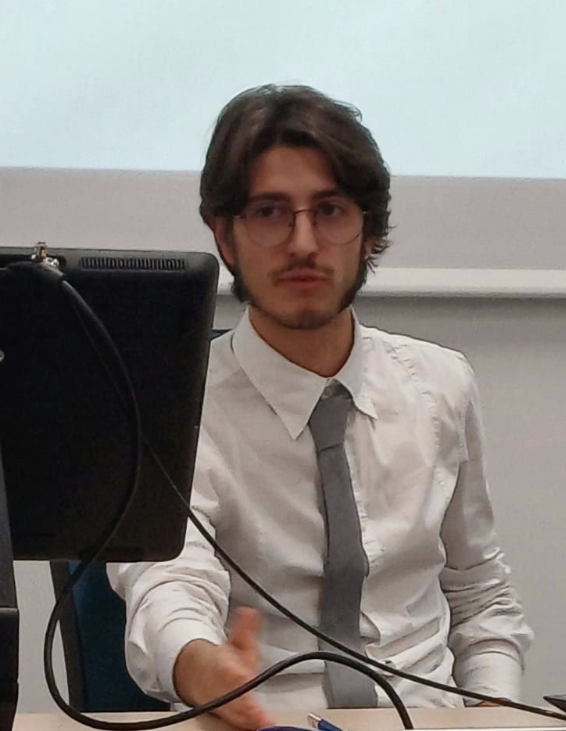
![Young man with glasses, shoulder-length dark hair, wearing a white shirt and gray tie, seated at a desk in front of a computer monitor.]()
Michele Mignani
ARENA 5.0 Participant (see Michele’s website here)
I studied math (a Bachelor's and Master's degree) with a main focus on mathematical logic. When I discovered the world of AI safety I decided to pursue a PhD on a related topic trying to contribute effectively to the field: ARENA was the most useful thing that could happen to someone with a mathematical background who wants to enter technical AI safety research. But ARENA was more than a way to develop some ML skills: it is a way to challenge some of my points of view (not only about AI safety) and a valid method to meet a lot of interesting and beautiful people. All of these teachings will for sure be helpful in my career.
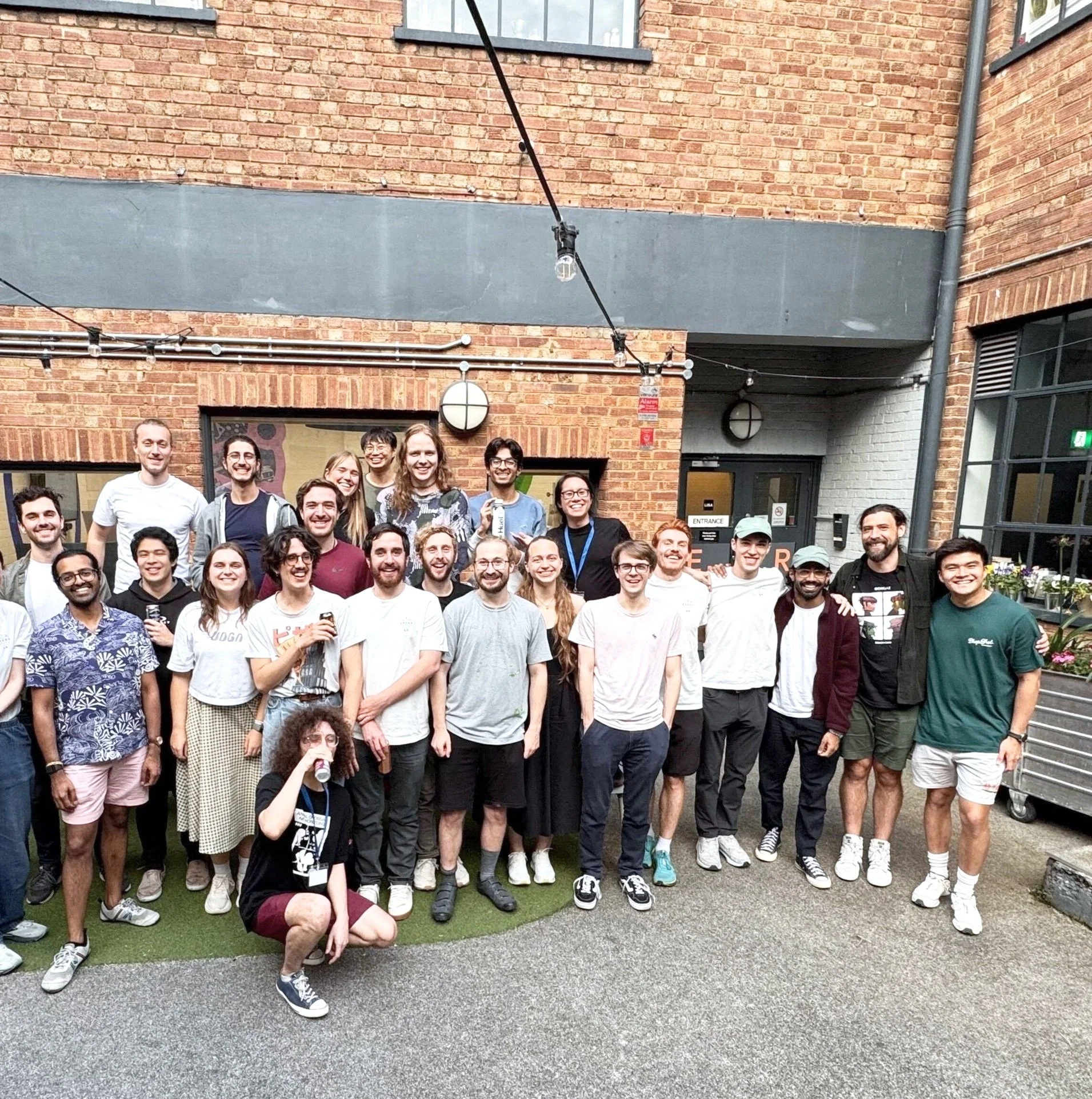
“This cohort’s vibes were the best. I really enjoyed the learning materials as well, and I had the feeling that we were being supported in every possible way. Didn’t have second thoughts at any point during the programme.”
– Anonymous ARENA Participant